 Adobe Stock #2169079342
NFPA 96 Exhaust Cleaning in Metro Vancouver
Scheduled hood-to-fan preventive maintenance with tamper-evident fire marshal certification tags and digital photo audits after every service.
- Emergency servicesAvailable 24/7
- Office hoursMonday – Friday 7 to 5
Scheduled Preventive Maintenance From Hood to Fan
Routine exhaust maintenance is the backbone of commercial kitchen safety. Daily grease vapours, smoke, and heat travel through your entire ventilation path, and without scheduled cleaning, those vapours condense into combustible fuel loads inside ductwork you can’t see from the kitchen floor.
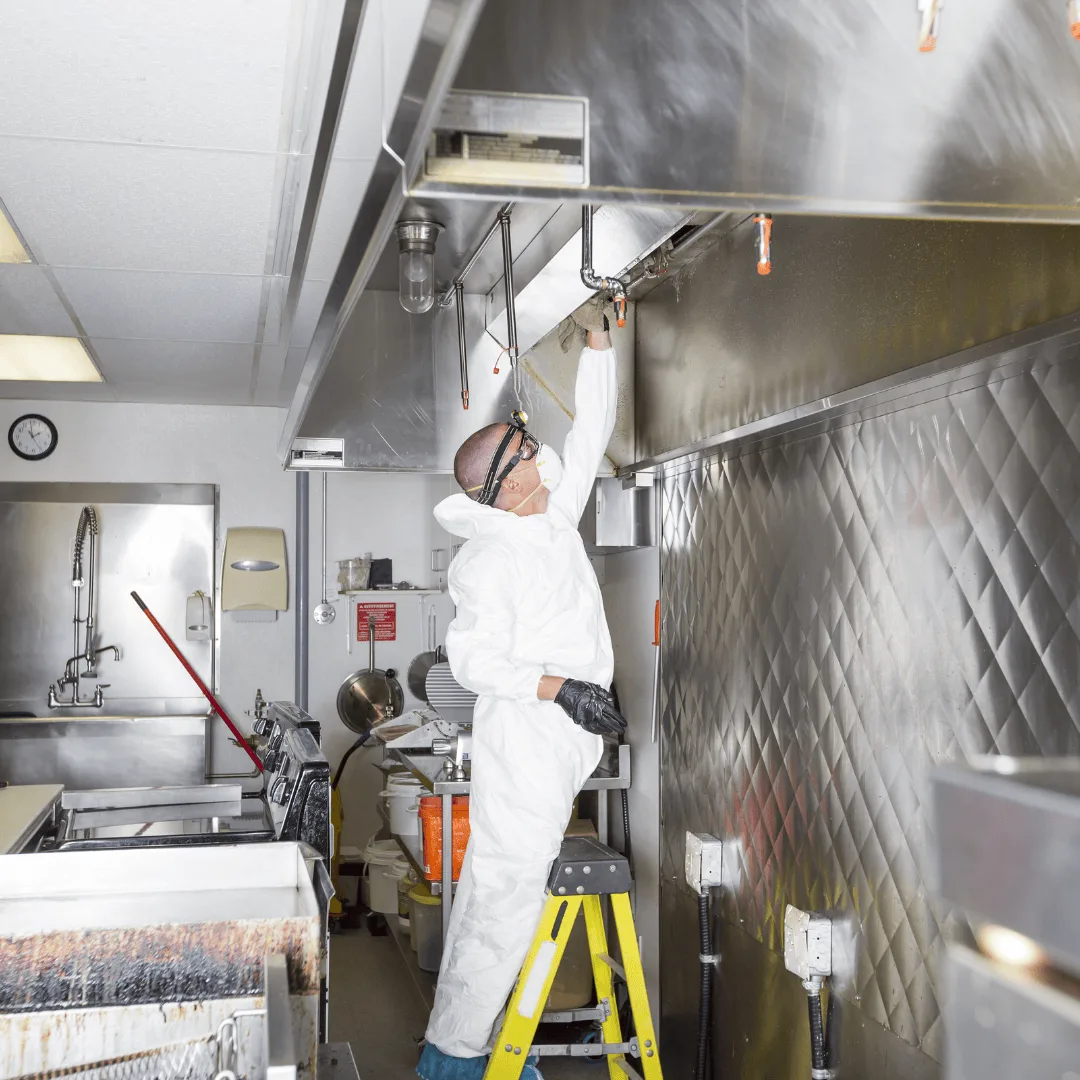
A common and costly mistake is cleaning only the visible hood while neglecting the full duct-to-fan path. Hidden grease deposits in vertical risers, horizontal runs, and rooftop fan housings are exactly what fire marshals look for during inspections. Total Commercial Exhaust cleans the complete system, from stainless steel canopy hoods and baffle filters through all vertical and horizontal ductwork to the rooftop upblast fan, so every component is addressed and documented. That’s what NFPA 96-compliant service actually means: full-path degreasing with the certification tags to prove it.
 Source: TC Solutions site
How a Complete NFPA 96 Cleaning Is Delivered
Every Total Commercial Exhaust service follows a structured sequence designed to cover the entire ventilation path, not just the sections visible from the cooking line.
- 01
Pre-service assessment
Our crew evaluates your hood count, duct configuration, cooking volume, and fuel type to confirm the correct NFPA 96 cleaning interval for your operation.
- 02
Canopy hood and filter degreasing
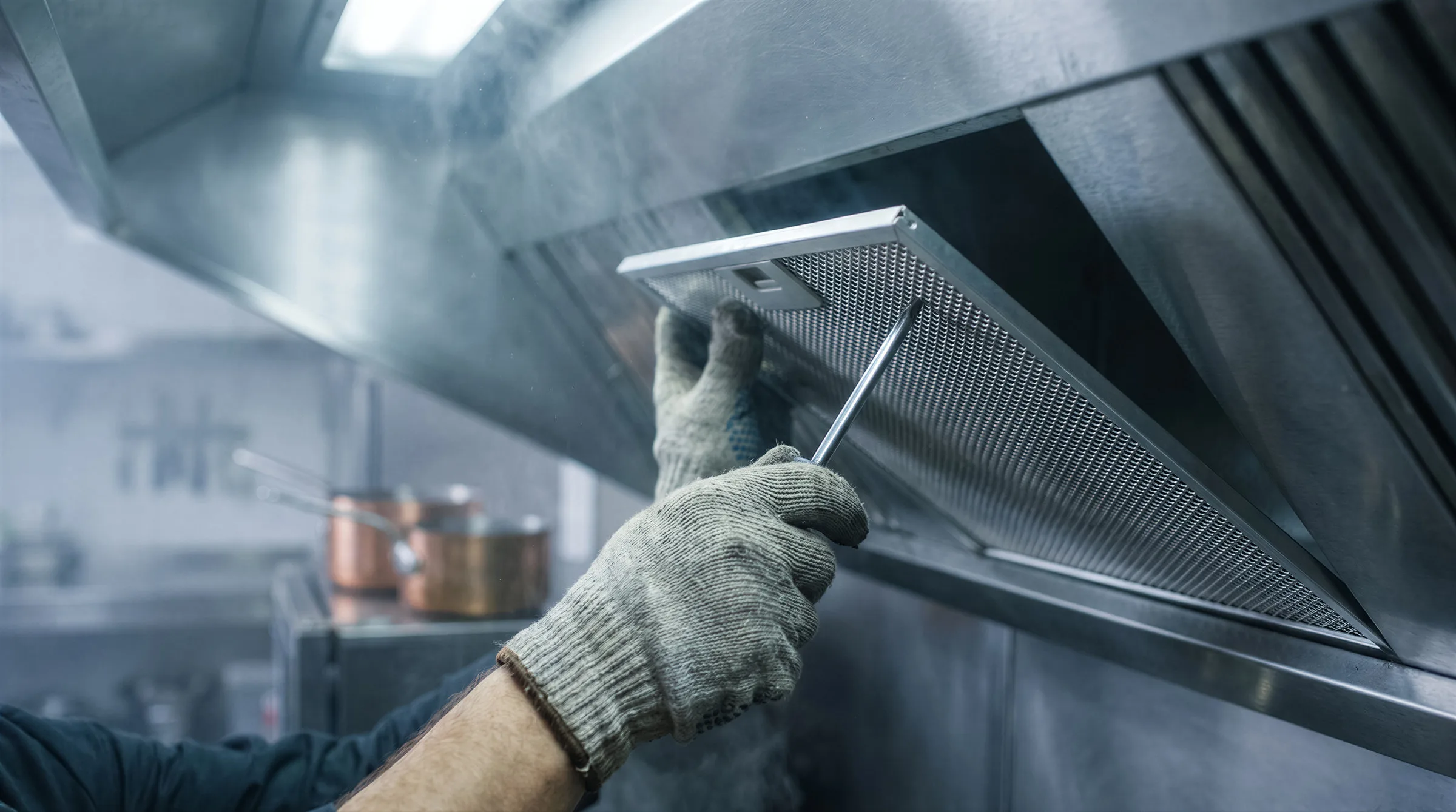
Stainless steel canopy hoods and baffle filters are stripped of accumulated grease using industrial-grade degreasers and mechanical scraping tools.
- 03
Full ductwork cleaning
Vertical and horizontal duct runs are degreased from interior access points, removing grease deposits that standard surface washes leave behind.
- 04
Rooftop upblast fan service
The blower wheel, interior housing, and fan assembly are cleaned to restore proper airflow and reduce motor strain from grease imbalance.
- 05
Certification and digital reporting
A tamper-evident fire marshal inspection tag is affixed to your hood, and a comprehensive before-and-after digital photo audit is delivered for your facility records.
What Your NFPA 96 Cleaning Schedule Should Look Like
Monthly cleaning
Solid-fuel operations produce the heaviest grease and creosote loads. Wood-fired pizza ovens, charcoal grills, and commercial smokers require monthly NFPA 96 cleaning to prevent rapid fuel accumulation inside ductwork. Missing even one monthly cycle can create enough combustible buildup to trigger a fire marshal citation. Monthly service keeps your system within code and your documentation current.
Quarterly cleaning
High-volume kitchens running heavy charbroiling lines, 24-hour diners, or high-output fry stations generate grease vapours at a rate that demands quarterly attention. At this interval, Total Commercial Exhaust degreases the full path from hood to rooftop fan and replaces the dated certification tag. Quarterly service is the standard for most busy Metro Vancouver restaurants.
Semi-annual cleaning
Moderate-volume commercial kitchens, including casual dining restaurants and full-service hotel kitchens, typically fall into the semi-annual category under NFPA 96. Grease accumulation is slower but still significant enough to require complete system cleaning twice per year. A semi-annual schedule balances fire safety with operational efficiency for kitchens that don’t run at peak output daily.
Annual cleaning
Low-volume or seasonal facilities such as community halls, seasonal snack bars, and day camps produce minimal grease output. Annual cleaning satisfies NFPA 96 requirements for these operations while providing the same full-path service and fire marshal certification tag. Even at annual intervals, the entire ventilation system is cleaned to bare metal, not just the visible hood.
Is Scheduled NFPA 96 Cleaning Right for Your Facility
Not every exhaust situation calls for the same service. Understanding when scheduled preventive cleaning applies, and when a different approach is needed, helps you direct your maintenance budget where it matters most.
Cooking volume and fuel type
Your NFPA 96 interval is determined by what and how much you cook. Solid-fuel and high-volume operations need more frequent service than moderate or seasonal kitchens.
Current system condition
If your exhaust system has been maintained on schedule, routine cleaning maintains compliance. If grease has calcified from years of deferred maintenance, you may need an Exhaust System Restoration first.
Inspection and insurance requirements
Fire marshals, health authorities, and commercial property insurers require dated proof of service. Scheduled cleaning with certification tags satisfies these requirements proactively.
Duct complexity
Standard scheduled cleaning covers accessible duct runs. Buildings with extended horizontal ducts through false ceilings or between floors may also require Crawl-In Duct Cleaning for complete coverage.
A good fit when
- Your exhaust system is in serviceable condition and you need to maintain ongoing NFPA 96 compliance.
- You require dated fire marshal certification tags and digital documentation for inspectors or insurers.
- Your kitchen operates on a regular schedule and you want to prevent grease buildup before it becomes a fire hazard.
Probably not needed when
- Your system has heavy, calcified grease from prolonged neglect or a change in ownership. In this case, Exhaust System Restoration / Code Compliance Cleaning is the appropriate starting point.
- Your building has long horizontal duct runs that cannot be reached with standard cleaning methods. Crawl-In Duct Cleaning (Deep Cleaning) addresses these configurations.
If your system is currently maintained or has recently been restored to bare metal, scheduled NFPA 96 cleaning is the service that keeps it there. Total Commercial Exhaust can assess your kitchen’s output and recommend the correct interval, so you stay compliant without over-servicing or under-servicing your system.
Regular cleaning, before and after
Industries We Serve
Total Commercial Exhaust works wherever there is a commercial kitchen, from restaurants and food trucks to hospitals, arenas and processing plants.
 Source: TC Solutions siteRestaurants & Fine Dining
 Source: TC Solutions siteFood Courts & Food Trucks
 Source: TC Solutions siteBars, Pubs & Breweries
 Source: TC Solutions siteHotels & Convention Centres
- Stock slot · Sports & Entertainment ArenasSports & Entertainment Arenas
- Stock slot · Golf & Sports ClubsGolf & Sports Clubs
- Stock slot · Community & Civic FacilitiesCommunity & Civic Facilities
- Stock slot · Religious Institutions & ChurchesReligious Institutions & Churches
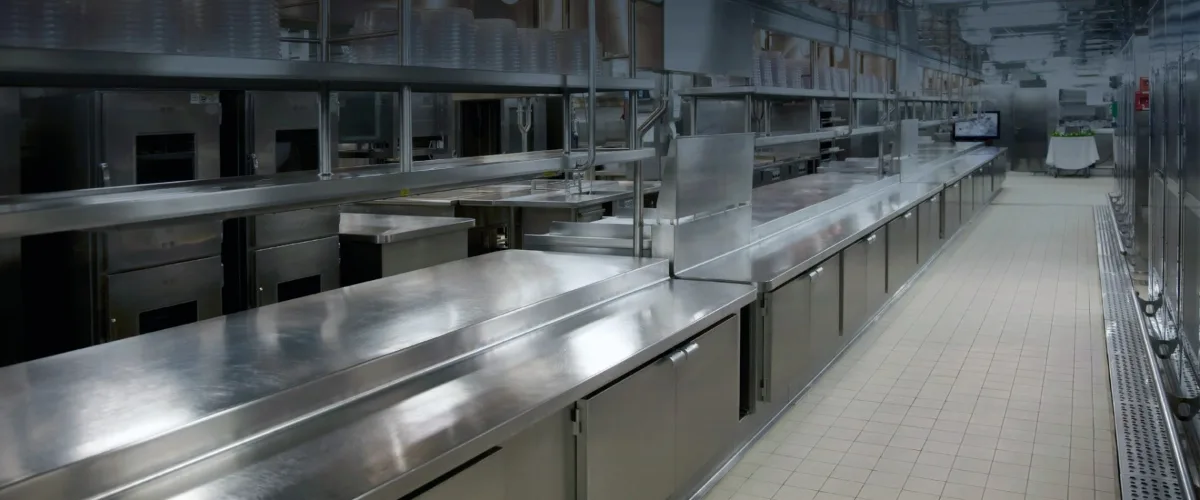 Source: TC Solutions siteHospitals, Healthcare & Senior Living
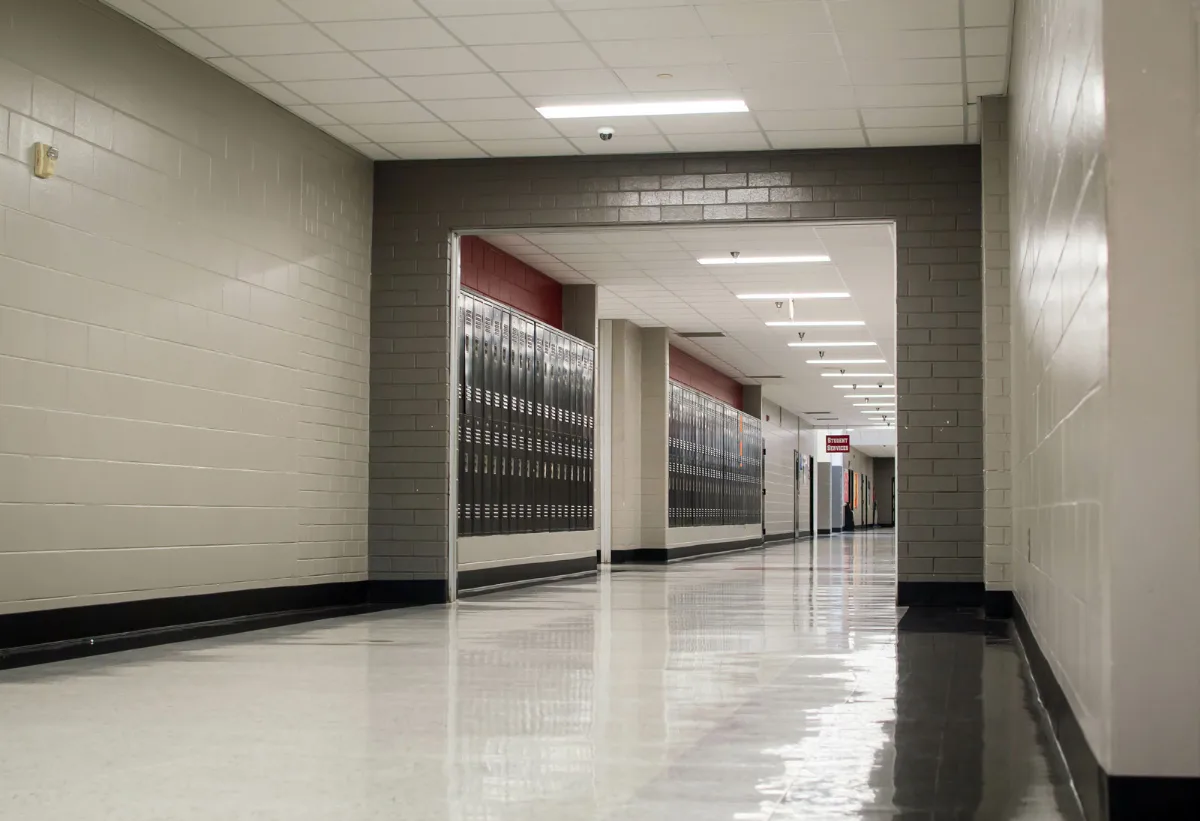 Source: TC Solutions siteSchools & Educational Facilities
 Source: TC Solutions siteProperty Management & Commercial Facilities
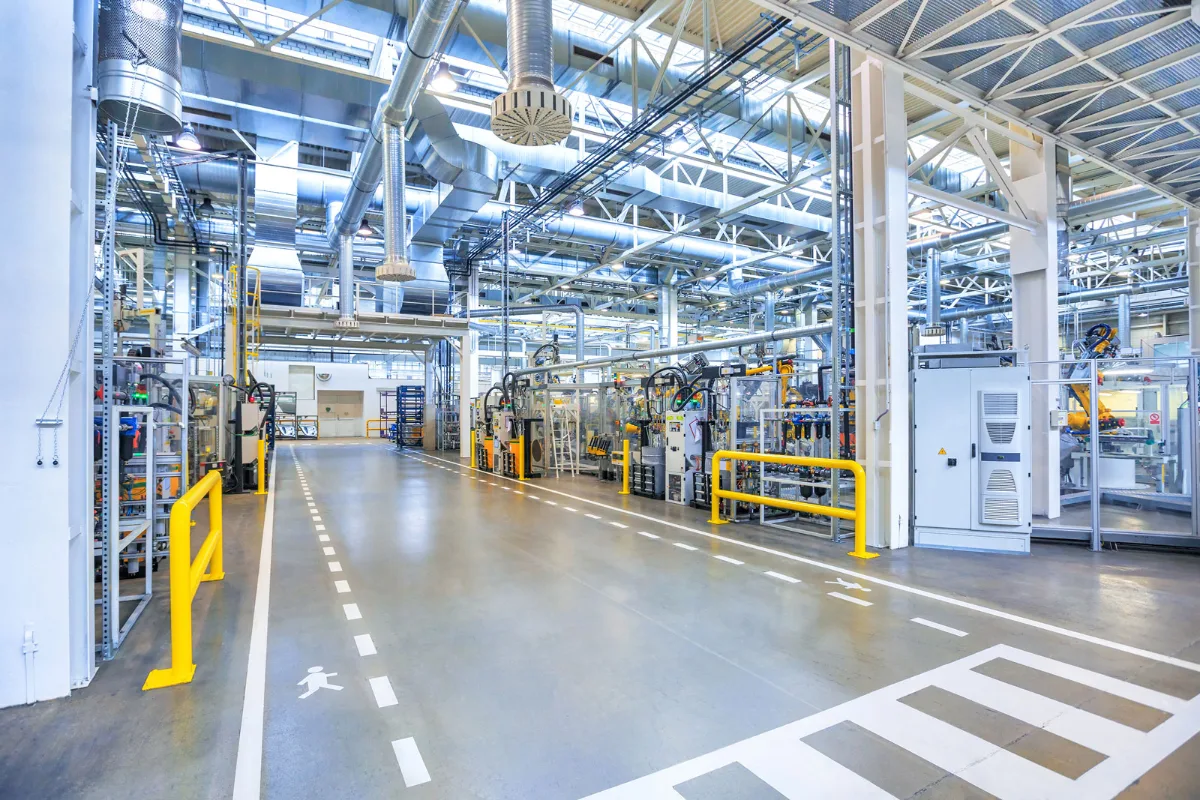 Source: TC Solutions siteProcessing Plants
- Stock slot · TrainsTrains
- Stock slot · Correctional FacilitiesCorrectional Facilities
 Source: TC Solutions siteCasinos
NFPA 96 Exhaust Cleaning Questions
How often should a commercial kitchen exhaust system be cleaned?
The right cleaning schedule depends on your cooking volume and the type of equipment or fuel you use. High-volume kitchens and solid-fuel cooking operations generally require more frequent attention, while moderate- or low-volume kitchens may have longer intervals between services. Total Commercial Exhaust can assess your operation and establish a preventive maintenance schedule suited to your kitchen.
What is included in a complete NFPA 96 exhaust cleaning service?
A complete service goes beyond cleaning the visible kitchen hood. Total Commercial Exhaust cleans the exhaust system from hood to fan, including the canopy hood, baffle filters, accessible vertical and horizontal ductwork, and rooftop upblast fan. This helps address grease buildup throughout the ventilation path rather than only in the areas you can easily see.
Why is scheduled commercial kitchen exhaust cleaning important for fire safety?
Grease, smoke, and cooking vapours can accumulate throughout a commercial kitchen exhaust system over time. Routine cleaning helps reduce combustible grease buildup, supports safer kitchen operations, and helps businesses maintain their exhaust systems in accordance with applicable cleaning requirements.
What is an NFPA 96 cleaning or service tag, and why is it important?
After a completed service, Total Commercial Exhaust places a dated service and inspection tag on the hood. This provides a visible record of when the exhaust system was serviced and helps facility operators keep track of their ongoing cleaning and maintenance schedule.
How do I know if my restaurant needs monthly, quarterly, semi-annual, or annual exhaust cleaning?
Cleaning frequency depends largely on the volume and type of cooking being performed. Monthly service applies to high-volume solid-fuel cooking, quarterly to heavy fry or charbroiling operations, semi-annual to moderate-volume kitchens, and annual to lower-volume or seasonal facilities. Total Commercial Exhaust can recommend a schedule based on the actual demands of your kitchen.
Find Out What Your Kitchen Needs
A compliant NFPA 96 cleaning covers the entire system from hood to rooftop fan, and Total Commercial Exhaust provides the certification tags and documentation you need to pass inspections. Whether you’re comparing service providers or setting up your first maintenance schedule, we can walk you through the right interval and scope for your operation.
Office hours: Monday through Friday, 7 a.m. to 5 p.m. Emergency services available 24/7.