 Adobe Stock #2149027418
Rooftop Exhaust Fan Service in Metro Vancouver
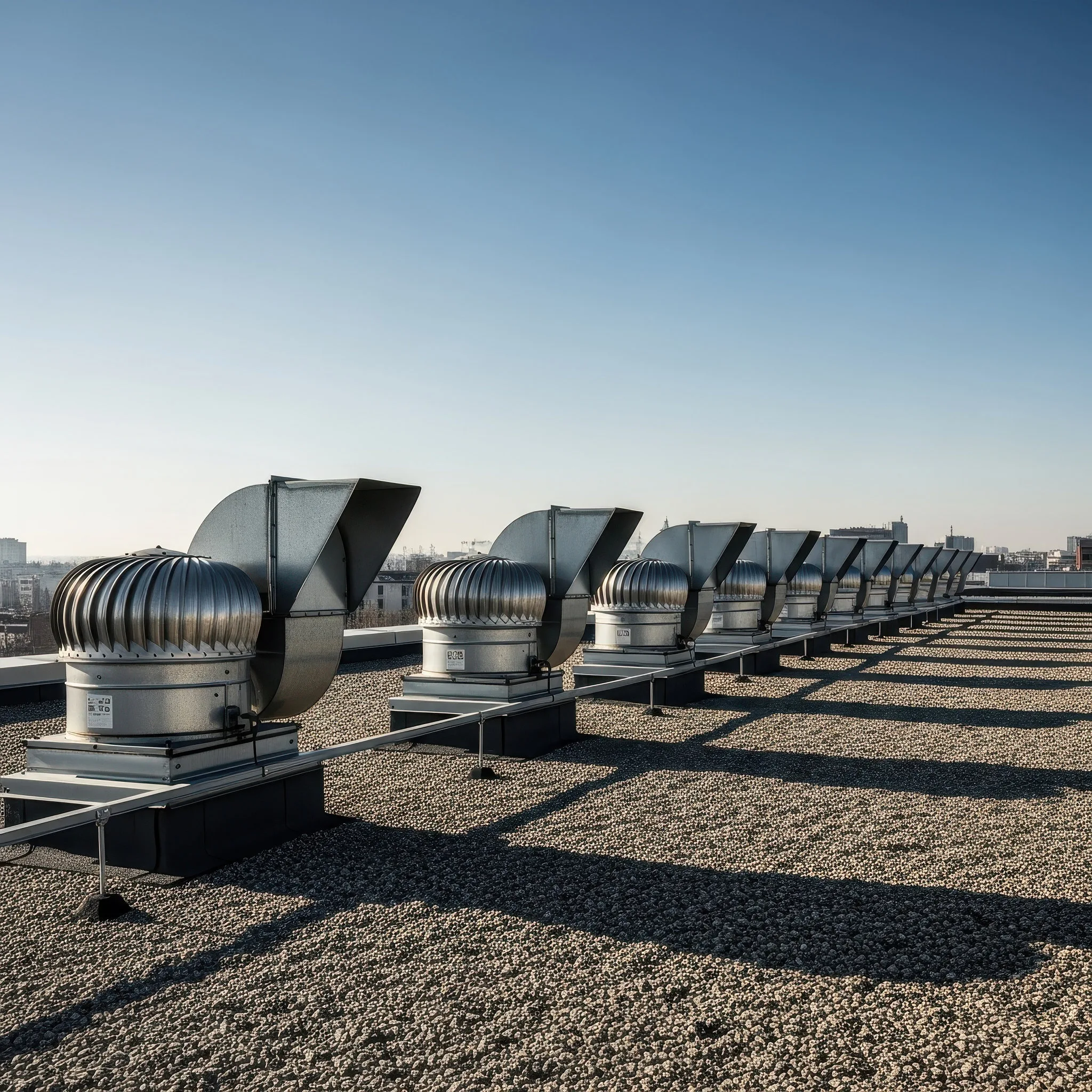
TCS Commercial Exhaust Cleaning Inc. provides complete rooftop fan degreasing, grease containment filter replacement, and hardware inspections that extend both fan motor lifespan and commercial roof integrity.
- Emergency servicesAvailable 24/7
- Office hoursMonday – Friday 7 to 5
Why Surface Washing Alone Shortens Your Fan’s Life
Most facility operators make a costly mistake: they treat the rooftop exhaust fan as an afterthought during routine hood cleaning. A quick exterior rinse leaves grease packed inside the blower wheel, building imbalance that strains bearings and accelerates motor burnout. Meanwhile, cooking oils and animal fats escaping the fan housing pool directly onto TPO, EPDM, or asphalt roofing membranes, causing blistering, leaks, and voided roof warranties.
Total Commercial Exhaust addresses both problems in a single service visit. Our crews degrease the blower wheel and interior housing, replace absorbent grease containment filters, and inspect drive belts, electrical conduits, and vibration isolators. The result is a fan that runs in balance, a roof that stays protected, and documented proof of maintenance for your property insurer. Rooftop fan service must include blower wheel degreasing, grease containment filter replacement, and hardware inspections to protect both the fan motor and the roof.
How We Service Your Rooftop Exhaust Fan
Every rooftop fan service from Total Commercial Exhaust follows a structured sequence designed to maximize component lifespan and protect your commercial roof.
- 01
Pre-service inspection
Technicians assess the fan housing, blower wheel condition, hinge kit integrity, and surrounding roof surface for existing grease damage before any work begins.
- 02
Hinge kit access and tilt-up
Heavy-duty hinge kits allow safe tilt-up of the fan unit without stressing electrical wiring or conduit connections, preventing damage during cleaning.
- 03
Blower wheel and housing degreasing
The squirrel cage impeller and interior housing are fully degreased to eliminate the grease imbalance that causes vibration, bearing wear, and reduced kitchen airflow.
- 04
Grease containment filter replacement
Catch basins are inspected and absorbent containment filters are replaced to capture cooking oils and animal fats before they reach the roofing membrane.
- 05
Hardware check and documentation
Drive belts, vibration isolators, and electrical conduits are inspected. A digital before-and-after photo report documents the completed service for your facility records.
Protecting Your Commercial Roof Through Complete Fan Maintenance
Blower Wheel and Housing Wash
Grease accumulating on fan blower wheels (squirrel cages or impellers) causes mechanical imbalance, motor strain, excessive vibration, and premature fan burnout. Total Commercial Exhaust performs complete degreasing of the blower wheel and interior housing on every visit. Removing this grease restores proper airflow through your kitchen ventilation system and eliminates the vibration that shortens bearing and motor life. A balanced blower wheel draws less energy, runs quieter, and lasts significantly longer than one operating under grease load.
Rooftop Grease Containment Maintenance
Cooking oils and animal fats escaping the exhaust fan chemically react with commercial roofing materials including TPO, EPDM, and asphalt. The result is expensive blistering, membrane rot, active leaks, and voided roof warranties. Few exhaust cleaning providers include integrated grease containment maintenance as part of their rooftop fan service. Total Commercial Exhaust inspects catch basins and replaces absorbent grease containment filters to capture these contaminants before they ever contact the roof surface. This single step can prevent thousands of dollars in roofing repairs.
Hinge Kit and Hardware Safety Inspections
A heavy-duty hinge kit allows the exhaust fan to be tilted safely for cleaning without unnecessary stress on electrical connections. TCS installs and maintains durable hinge kits alongside comprehensive checks on drive belts, electrical conduits, and vibration isolators. These inspections catch worn components before they fail, preventing unplanned kitchen shutdowns and costly emergency motor replacements. Every inspection is documented with digital photos so property managers and facility operators have a clear maintenance record.
Is Rooftop Exhaust Fan Service Right for Your Facility
Not every facility needs the same level of rooftop fan maintenance. Here’s how to determine whether your operation requires dedicated fan service.
Cooking volume and fuel type
High-volume charbroiling, deep frying, and solid-fuel cooking produce heavier grease loads that accumulate faster on blower wheels and rooftop surfaces.
Roof material and warranty terms
TPO, EPDM, and asphalt membranes are all vulnerable to cooking oil damage. Check your roof warranty for grease-related exclusions.
Fan age and vibration levels
Older fans or units exhibiting visible vibration, reduced airflow, or audible motor strain are overdue for blower wheel degreasing and hardware inspection.
Property insurance requirements
Many commercial property insurers require documented proof of rooftop grease containment maintenance as a condition of coverage.
A good fit when
- Your rooftop shows visible grease staining or pooling around the exhaust fan housing
- Kitchen staff report reduced airflow, increased cooking odours, or excessive hood noise
- Your facility operates high-volume fry lines, charbroilers, or solid-fuel cooking equipment
Probably not needed when
- Your exhaust system vents through a wall-mounted fan with no rooftop exposure
- Your facility has a low-volume seasonal kitchen with annual cleaning intervals and no visible grease accumulation on the roof
If your rooftop fan has not been degreased internally and your grease containment filters have not been replaced within the last service cycle, both your fan motor and your roof membrane are at risk. Schedule a service assessment before the next inspection.
Rooftop fan service on real TCS jobs
Industries We Serve
Total Commercial Exhaust works wherever there is a commercial kitchen, from restaurants and food trucks to hospitals, arenas and processing plants.
 Source: TC Solutions siteRestaurants & Fine Dining
 Source: TC Solutions siteFood Courts & Food Trucks
 Source: TC Solutions siteBars, Pubs & Breweries
 Source: TC Solutions siteHotels & Convention Centres
- Stock slot · Sports & Entertainment ArenasSports & Entertainment Arenas
- Stock slot · Golf & Sports ClubsGolf & Sports Clubs
- Stock slot · Community & Civic FacilitiesCommunity & Civic Facilities
- Stock slot · Religious Institutions & ChurchesReligious Institutions & Churches
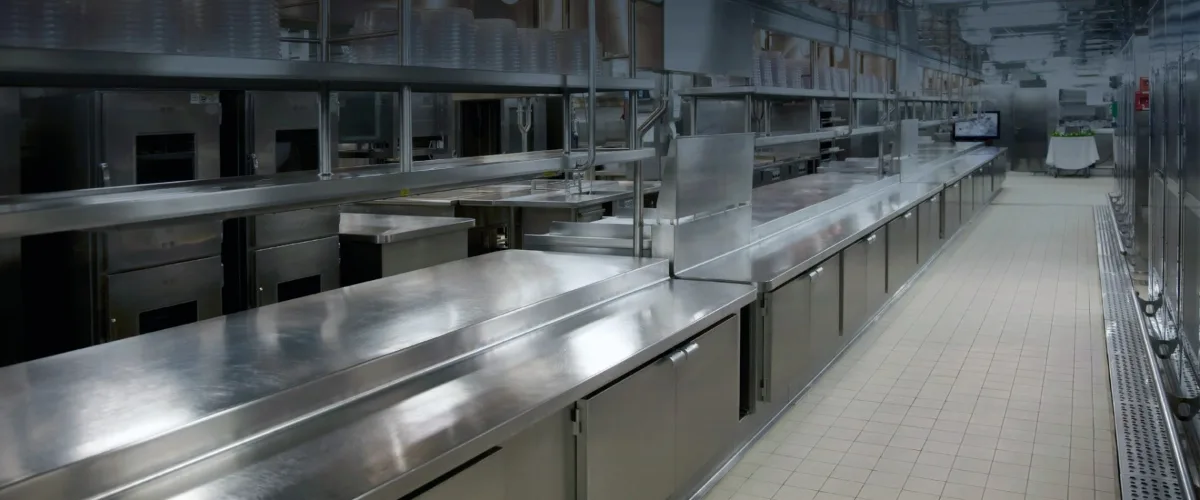 Source: TC Solutions siteHospitals, Healthcare & Senior Living
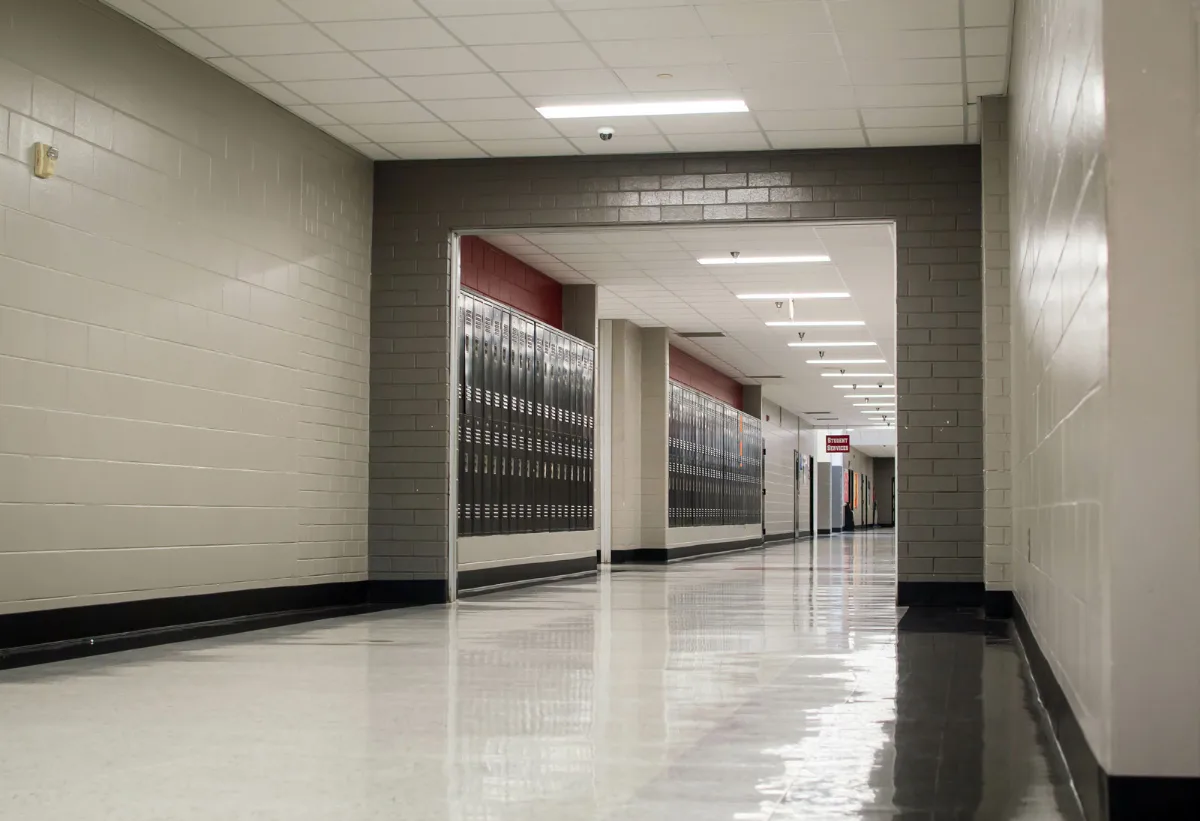 Source: TC Solutions siteSchools & Educational Facilities
 Source: TC Solutions siteProperty Management & Commercial Facilities
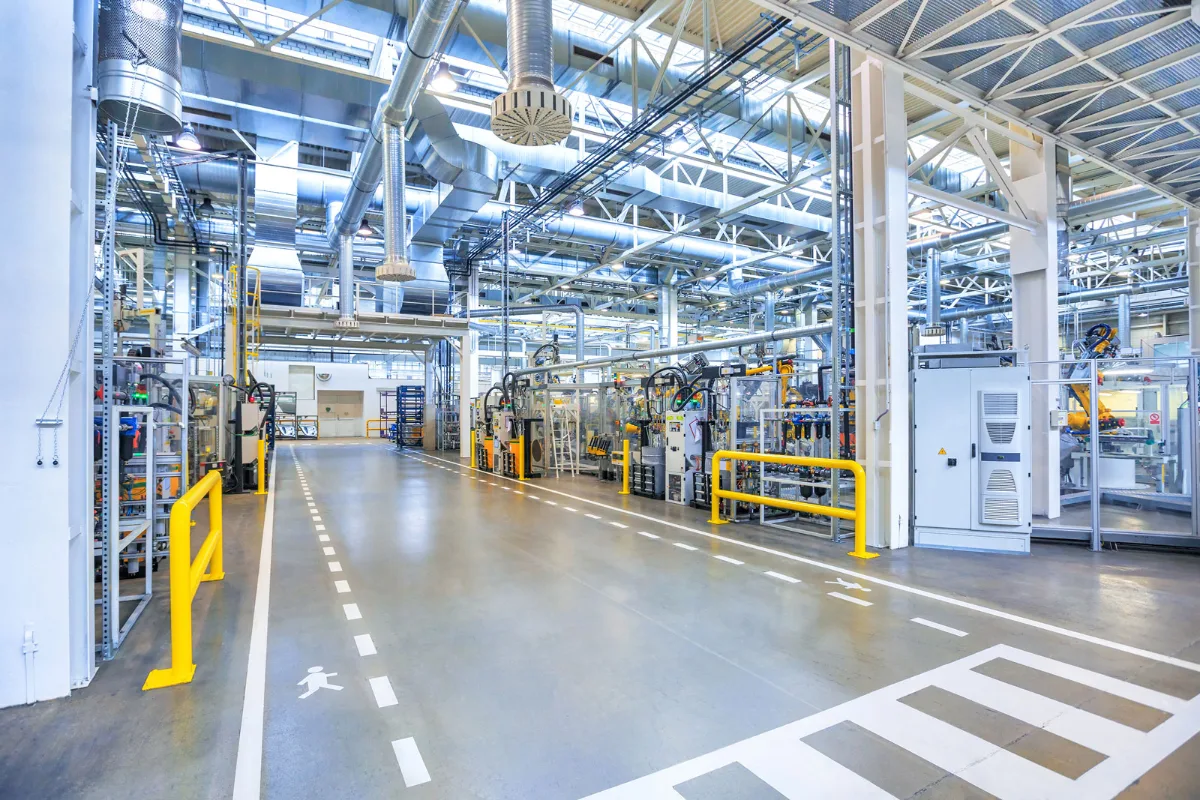 Source: TC Solutions siteProcessing Plants
- Stock slot · TrainsTrains
- Stock slot · Correctional FacilitiesCorrectional Facilities
 Source: TC Solutions siteCasinos
Rooftop Exhaust Fan Service Questions
Why is regular rooftop kitchen exhaust fan maintenance important?
The rooftop exhaust fan powers airflow through your commercial kitchen ventilation system. Grease buildup on the blower wheel and inside the fan housing can contribute to imbalance, vibration, motor strain, and reduced airflow. Regular cleaning and inspection help keep the fan operating properly while identifying maintenance concerns before they become larger problems.
Can grease from a commercial kitchen exhaust fan damage the roof?
Yes. Cooking oils and animal fats escaping from the exhaust fan can collect on the surrounding roof surface and deteriorate certain commercial roofing materials. Maintaining grease catch basins and replacing absorbent containment filters helps capture these contaminants before they spread across the roof.
What does a rooftop exhaust fan service include?
Total Commercial Exhaust can clean and degrease the blower wheel and interior fan housing, inspect grease-containment systems, and check components such as drive belts, electrical conduits, and vibration isolators. The service can also include inspection and maintenance of fan hinge kits to support safe access during cleaning.
What are the signs that a commercial kitchen rooftop exhaust fan may need service?
Issues such as excessive vibration, reduced kitchen airflow, visible grease buildup around the fan, or grease collecting on the surrounding rooftop can indicate that the fan or grease-containment system needs attention. Routine inspection helps identify these conditions before they contribute to fan or roofing problems.
Why are hinge kits and grease containment systems important for rooftop exhaust fans?
A heavy-duty hinge kit allows the exhaust fan to be tilted for cleaning and servicing without unnecessary stress on its electrical connections. Grease-containment systems perform a different job by capturing escaping fats and oils before they reach the roof. Together, they support easier fan maintenance while helping protect the surrounding rooftop.
Compare Your Current Fan Maintenance to What It Should Include
If your rooftop exhaust fan service doesn’t include blower wheel degreasing, grease containment filter replacement, and hardware inspections, your fan motor and roof are unprotected. Contact Total Commercial Exhaust to see how our service compares.
Office hours: Monday through Friday, 7 a.m. to 5 p.m. Emergency services available 24/7.